
Imagine walking through an archway of tree ferns lit up by shafts of brilliant sunlight under towering ancient eucalyptus trees. The smell of the forest, the earth, the creek. Waterfalls you can hear but not see yet. The hidden life of the Tasmanian forest: birds, insects, snakes, marsupials, frogs, and more. Sudden flocks of white cockatoos high above screeching at top volume. Then you come to a bend and see Russell Falls.

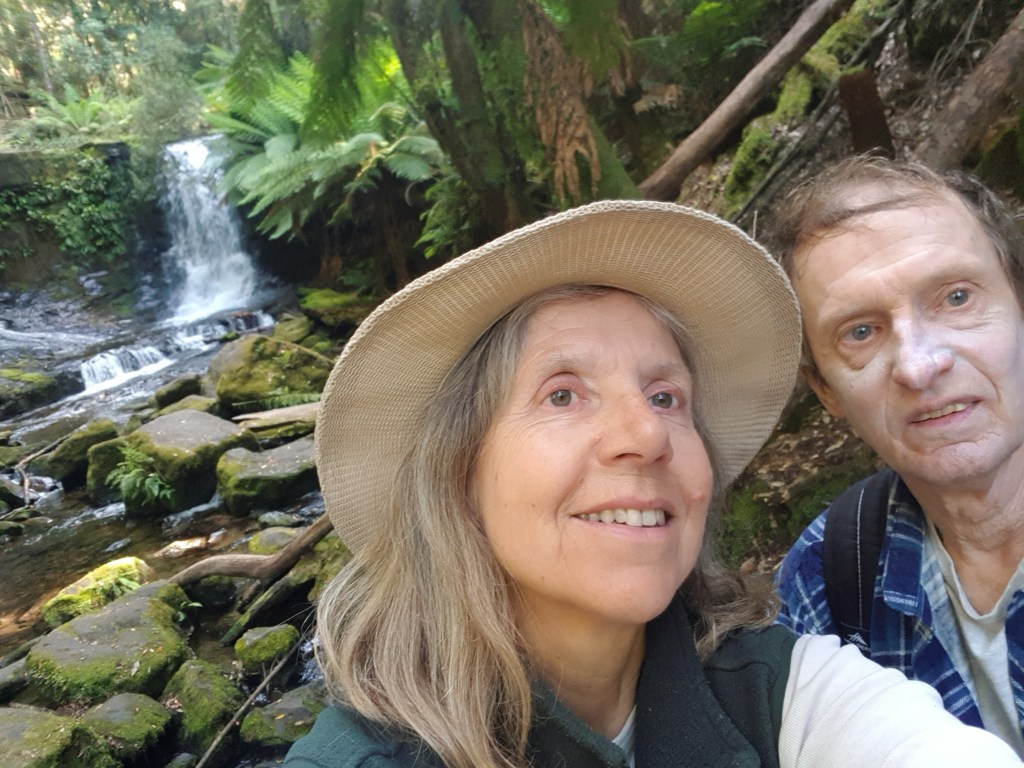
No photo can do justice to Russell Falls. Coming down hundreds of metres in tier after tier, it must be experienced in 3D with all your senses switched on. Visitors are scrambling to get a good shot or do selfies. The contrast between the dusky ferns and the intense sunlight reflected in the water makes it quite hard. We managed to get a pic at the smaller horseshoe waterfall.
Then we walked through an area with giant trees. So high you think you are hallucinating. There is also an alpine region of the national park. We went up on a gravel road for 4WDs to see stunning vistas of the valleys and highlands reminiscent of Cradle Mountain.

In the lower alpine range, the waratah were blooming. Their large crimson blossoms stand out like signposts in the forest tapestry of grey, green, ochre, and brown.

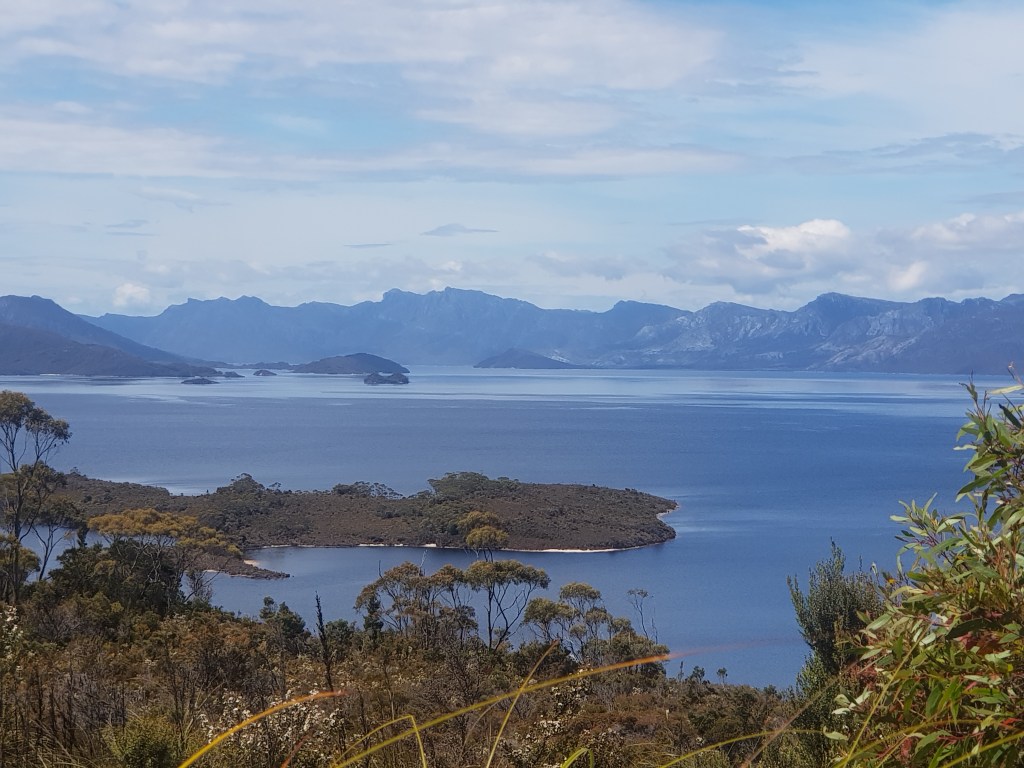
Beyond Mt Field national park starts the large South West Wilderness of Tasmania. Miles and miles of untouched forests, mountain ranges, peaks, and huge lakes. Hardly a soul, just one dead-end road in to the ghost town of Strathgordon and the Gordon dam. Such vastness and silence that it’s hard to find words for it.
 Liz Mike Travels